Predicting fatal fall from heights accidents using random forest
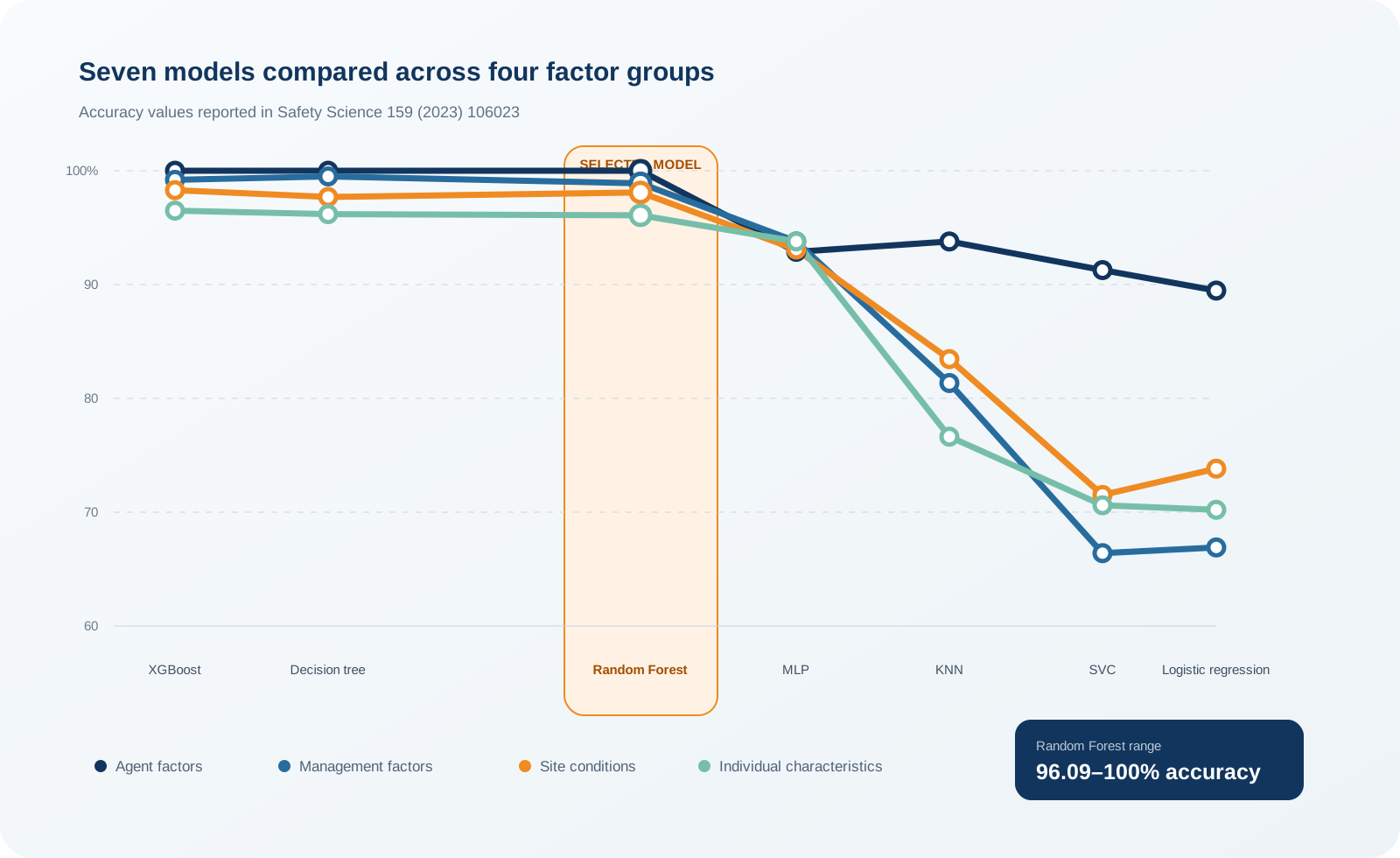
Seven models were tested on 3,321 structured scenarios. Random Forest offered the strongest practical balance and enabled factor-level interpretation.
The three flagship studies define the central programme. The complete record shows how the same evidence-led approach extends into occupational safety, environmental health and sustainability.
Each visual is a clean author redraw based on the published method or results, preserving meaning while removing journal-page clutter.
Seven models were tested on 3,321 structured scenarios. Random Forest offered the strongest practical balance and enabled factor-level interpretation.
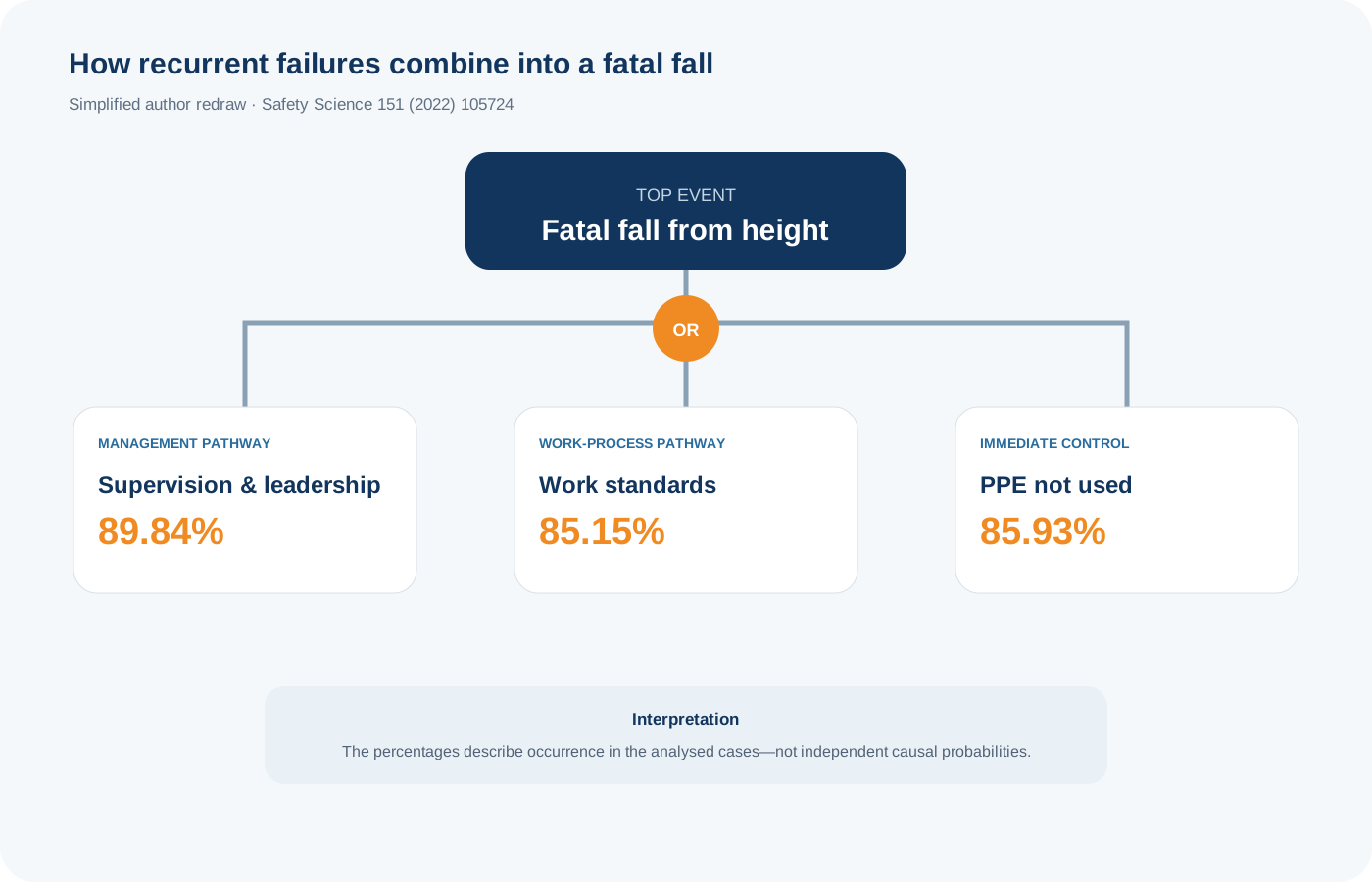
128 fatal cases reconstructed as combined pathways.
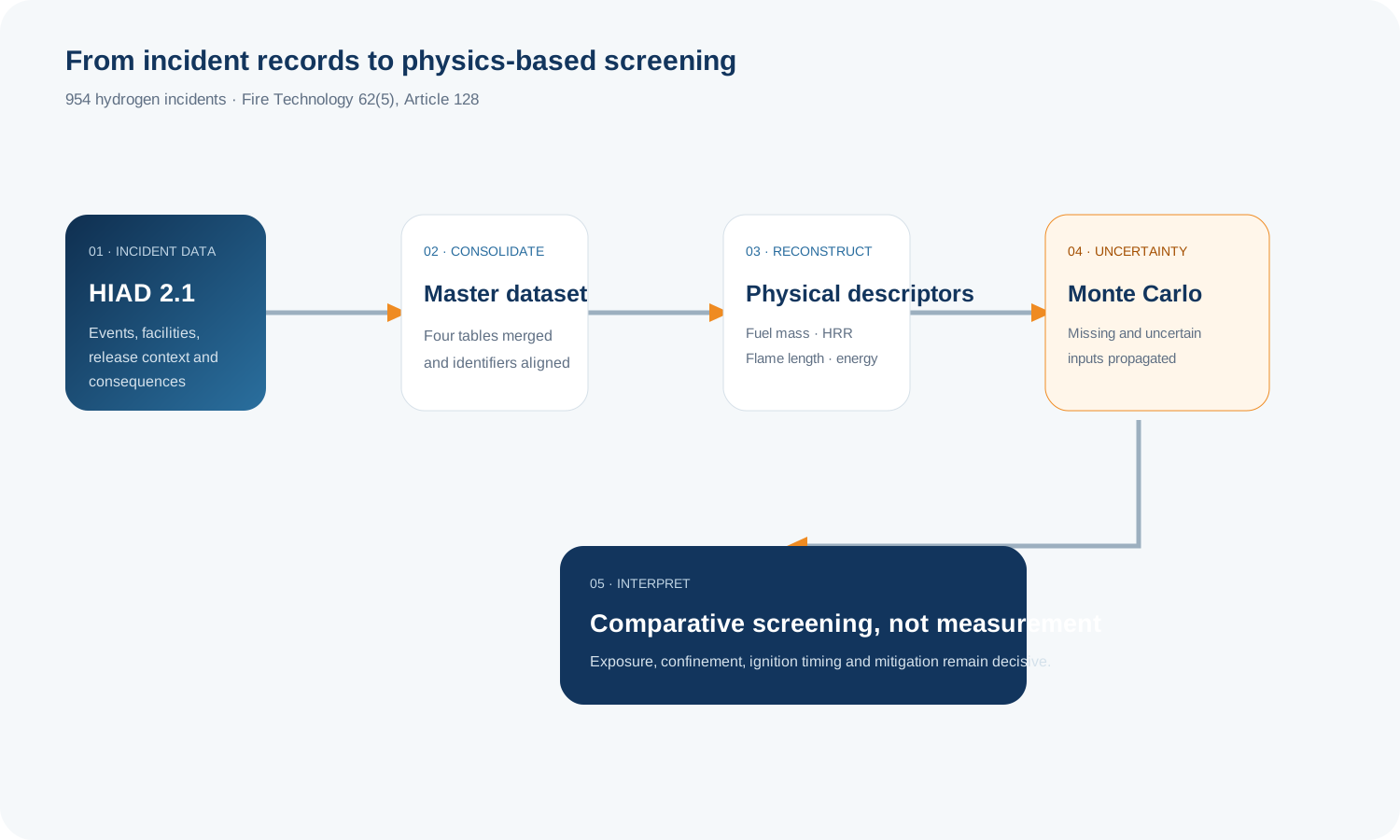
Detailed summary →954 incidents reconstructed with explicit uncertainty.
Detailed summary →
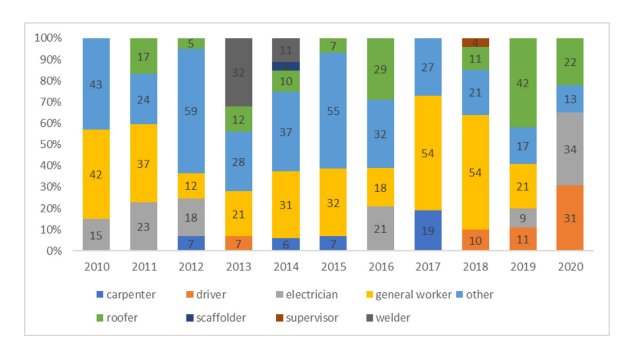
General workers averaged about 32% of cases, followed by roofers at 15.5% and electricians at 12%.

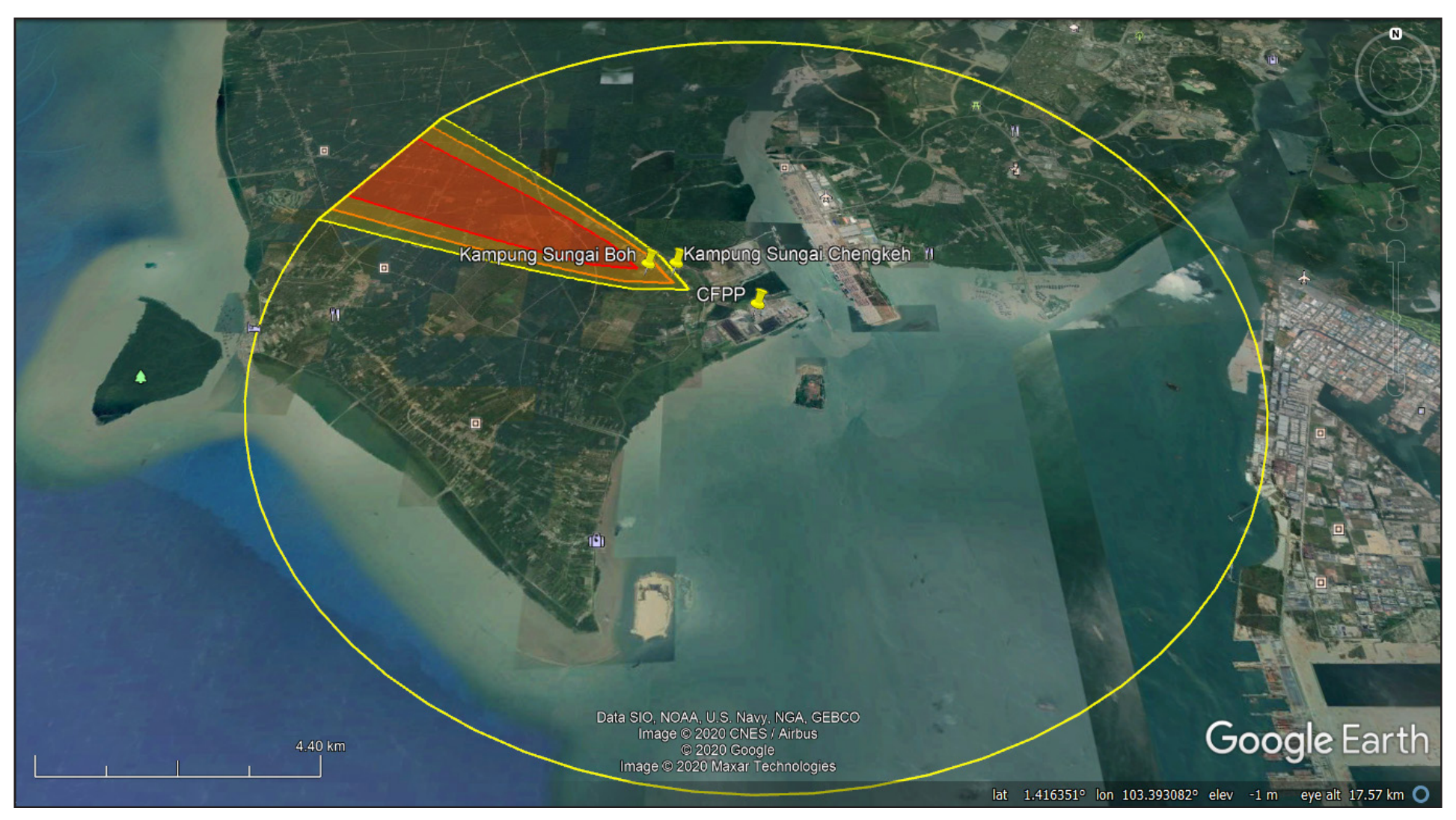
Emission and dispersion assessment connected source conditions to population-specific interpretation.

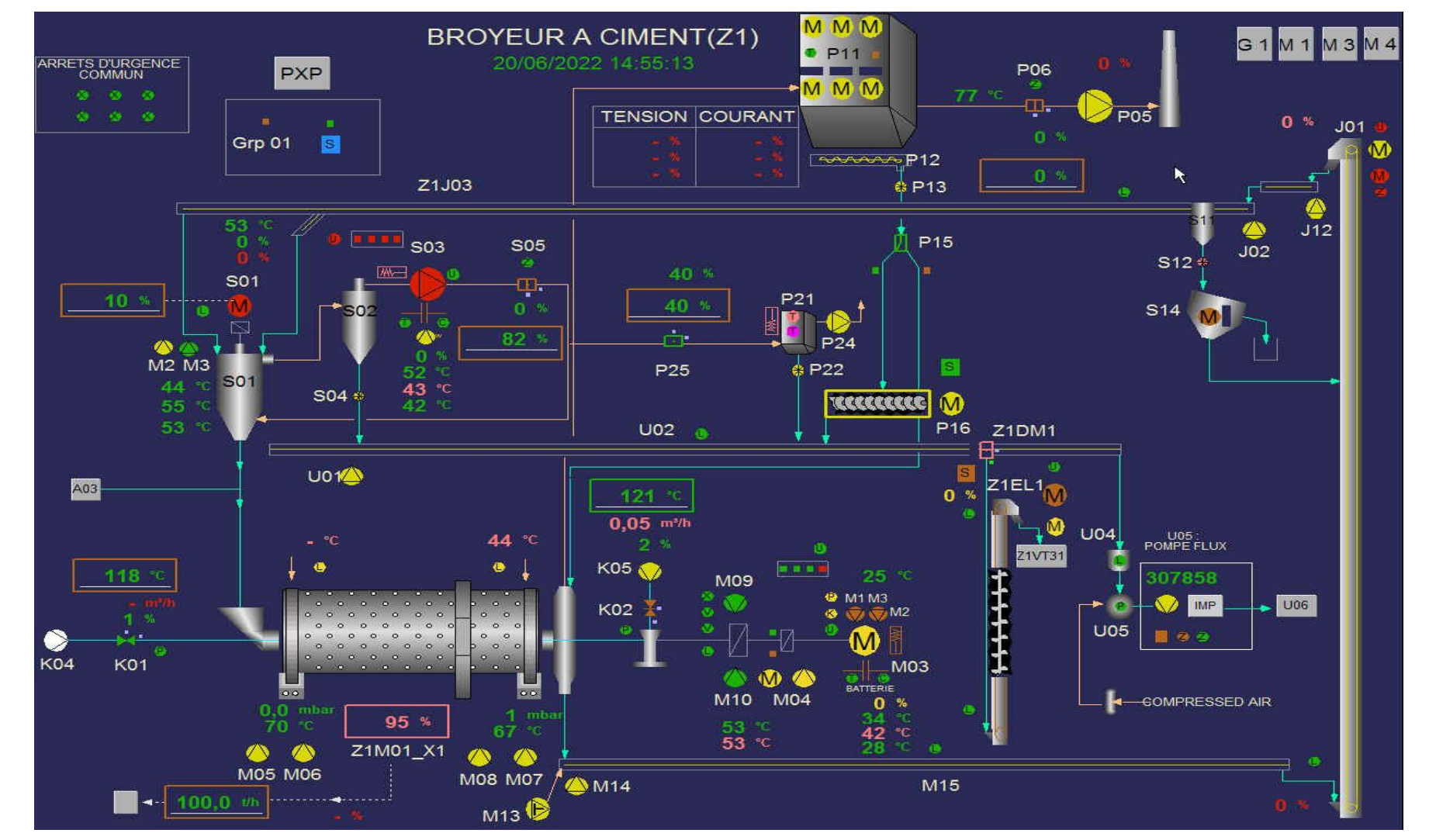
Tree-based, regression, neural-network and recurrent approaches were compared on a real production problem.

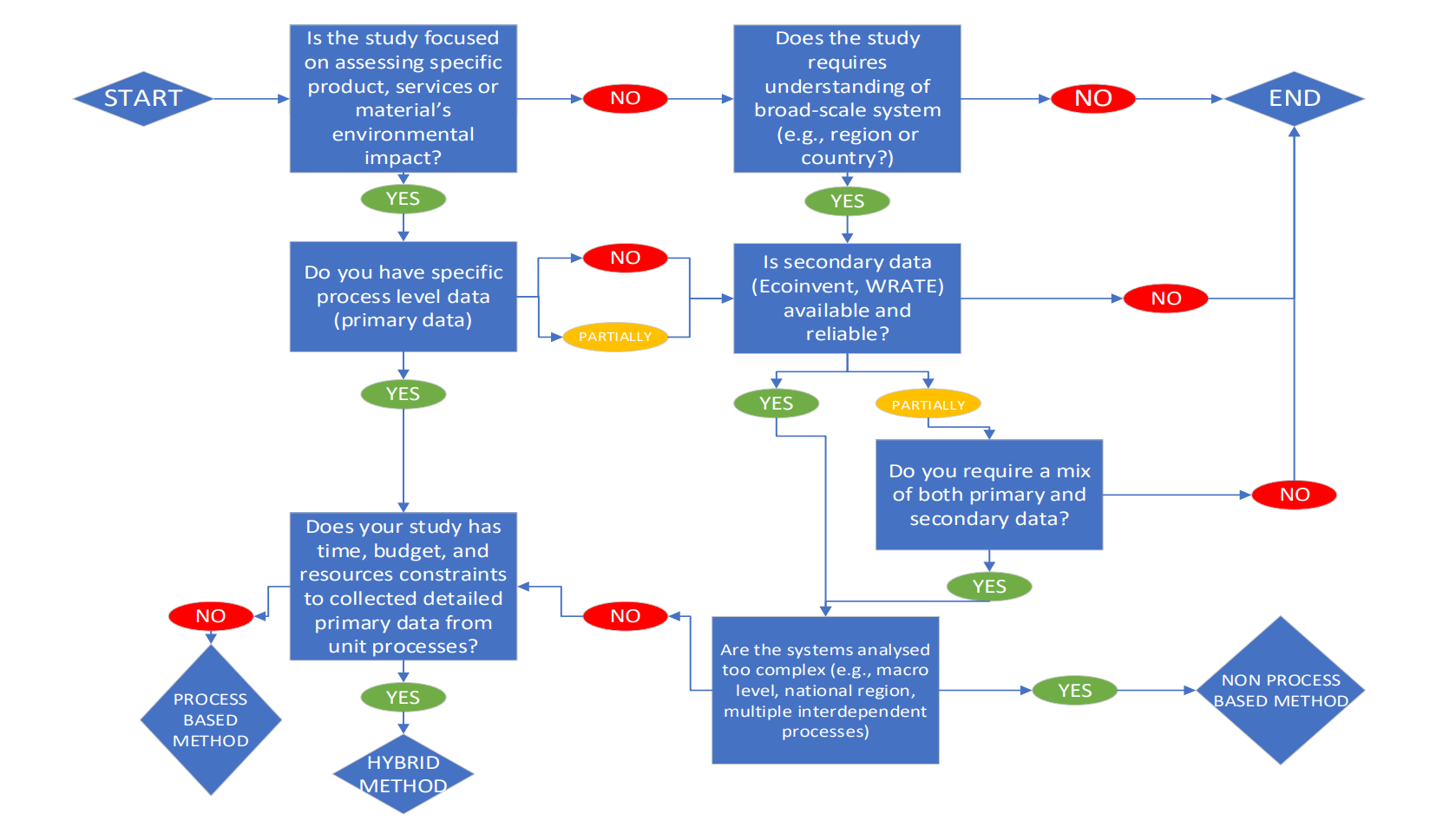
Process-based, input–output and hybrid methods compared by coverage, data burden and interpretation.
A. Zermane · Fire Technology 62(5), Article 128.
A. Zermane, M.Z.M. Tohir and H. Zermane · Journal of Energy & Safety Technology.
N.S. Roslan, S.F. Salleh, F.L. Michael, N.U.M. Ujai and A. Zermane · Chemical Engineering Transactions.
H. Zermane, H. Madjour, A. Ziar and A. Zermane.
A. Zermane, M.Z.M. Tohir and H. Zermane.
M.S. Kamarudin, A. Zermane and co-authors.
H. Zermane, H. Madjour, A. Ziar and A. Zermane.
A. Zermane, M.Z.M. Tohir, M.R. Baharudin and H.M. Yusoff.
A. Zermane and co-authors · Safety Science.
Google Scholar and ORCID remain the source for the newest indexing and citation counts.