
Research & development portfolio

Projects that preserve the route from evidence to decision.

The projects differ in subject, maturity and audience. Their status is stated explicitly, and every visual represents a real workflow, model concept or working-system structure rather than decorative technology imagery.

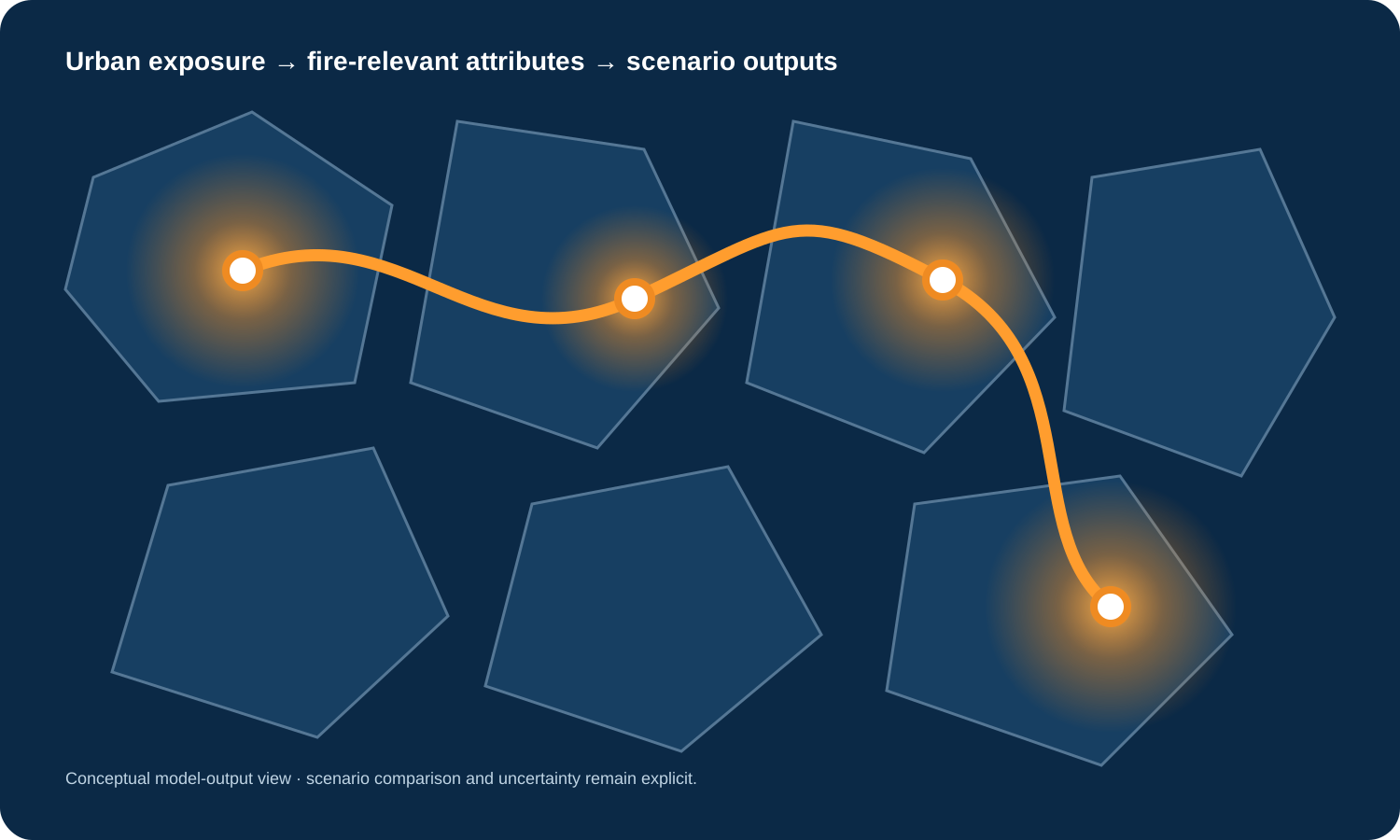
Urban fire scenario model output
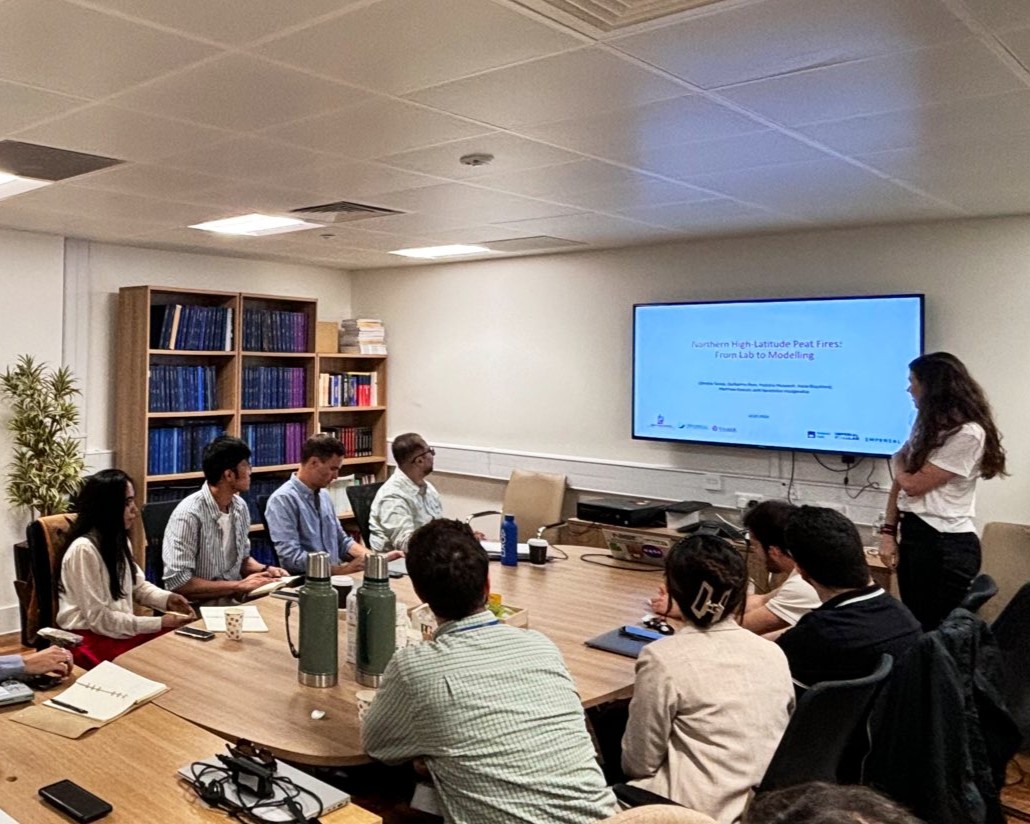
Research discussion at University College London
Research appointmentUCL · 2023–2025

Tomorrow’s Cities: urban fire modelling

As a Research Fellow in Physics-based Fire Modelling, I contributed to an urban fire-spread model within a wider multi-hazard and fragility decision framework. The work addressed local fire behaviour, exposure, tenability thresholds, validation discipline, versioning and outputs that could be interpreted within comparative city scenarios.

Urban fire spreadMulti-hazardTenabilityScenario planning
Boundary: a comparative city-scenario model is not a substitute for project-specific fire engineering or high-fidelity analysis of every building.
Visit Tomorrow’s Cities ↗
Conceptual urban fire model output showing exposure and propagation
Research alphaOpen research workflow

Open Urban Fire Framework

A reproducible exposure-to-fire workflow connecting building footprints, inferred compartments and fire attributes, a reduced physics kernel, verification templates, district scenarios and probabilistic outputs. The framework makes evidence confidence and validation status part of the model object.

GeoJSONReduced fire physicsV&VUncertainty mapsReproducibility
Boundary: deterministic design use requires project-specific calibration and external validation. A coloured building map is not automatically a validated risk prediction.
Read the modelling overview →
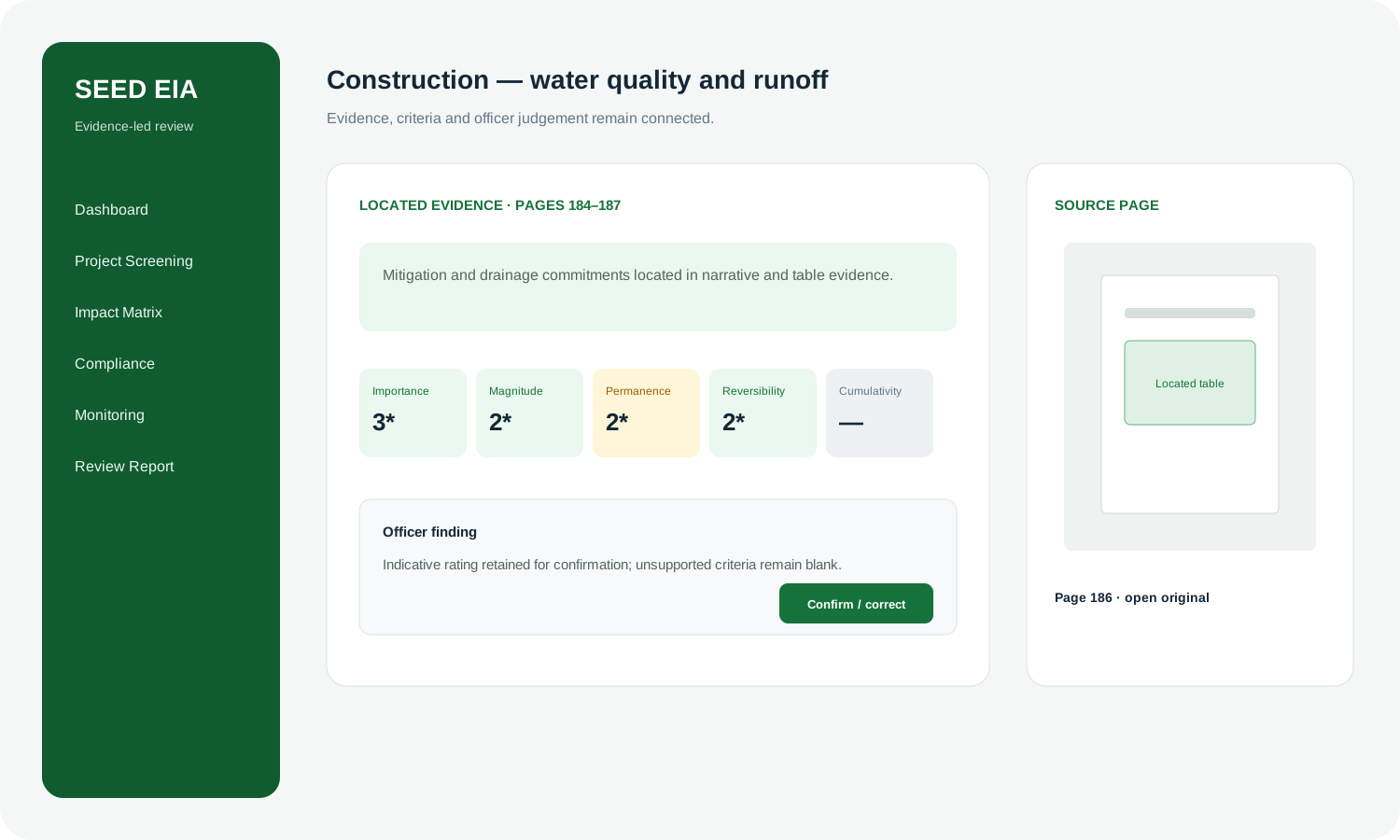
SEED EIA review workflow showing evidence, matrix criteria and officer correction
Private working prototypeEnvironmental review · Malaysia

SEED EIA

An evidence-led workspace for reviewing Malaysian Environmental Impact Assessment reports. The system organises 158 findings across nine review areas and retains evidence excerpts, page references, confidence, rationale, officer corrections and audit history.

158 findingsPage provenanceMaps & tablesOfficer correctionAudit record
Boundary: SEED supports review; it does not make approval, legal or statutory decisions. The officer remains responsible for confirming evidence and recording the reviewed outcome.
Discuss SEED EIA →
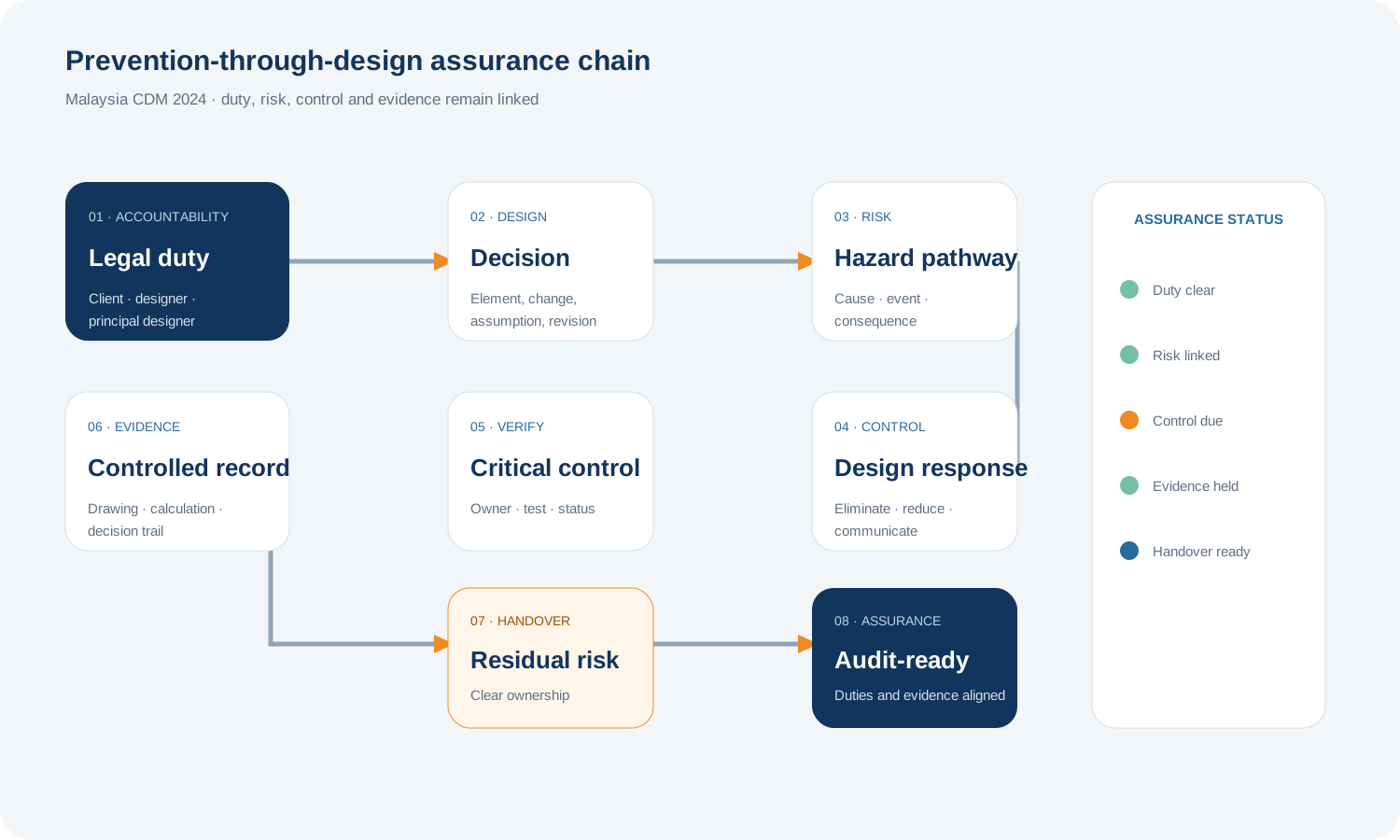
Design Safety MY workflow linking duties, design risks, controls and evidence
Private developmentConstruction safety · Malaysia

Design Safety MY

A prevention-through-design assurance platform aligned with Malaysia’s Occupational Safety and Health (Construction Work) (Design and Management) Regulations 2024. It connects accountable duties, design decisions, HIRARC, critical controls, evidence and controlled deliverables.

CDM 2024Design riskHIRARCCritical controlsControlled evidence
Boundary: the platform structures duty and evidence workflows; it does not determine legal compliance without competent professional review.
Discuss Design Safety MY →
Additional systems

Architecture concepts with explicit maturity.

Architecture concept

OSHKKP Malaysia Cloud

A data and workflow foundation for Malaysian occupational safety, environmental compliance and integrated management systems, distinguishing federal, Sabah and Sarawak applicability.

Jurisdiction modelLegal applicabilityWorkflow catalogue
SaaS concept

Amane QHSE Cloud

An Algeria-focused multilingual QHSE concept for legal applicability, incidents, permits, inspections, competence, environmental obligations and management reporting.

ArabicFrenchEnglishCompliance operations
Research framework

City-scale Fire Spread Model

A class-city model for examining how building-to-building fire behaviour can accumulate into different urban-scale consequences.

Building stockPropagationScenario comparison
Scientific governance

Verification and reproducibility workflow

Scenario integrity checks, release audits and manifests keep model claims aligned with the available verification and reference evidence.

Release auditTraceabilityScientific caution
Collaboration

Project methods and demonstrations can be discussed directly.

Some repositories remain private because they contain active development, regulated material or unpublished research. Their method, architecture and collaboration opportunities are still open for discussion.